Best Glycemic Control & Metabolic Support Supplements
We analyzed 4 products against 8 scientific criteria — so you don't have to navigate the noise alone.
Updated May 2026
4 Products Analyzed
50+ Clinical Studies Referenced
Affiliate Disclosure: This page contains affiliate links. If you purchase through our links, we may earn a commission at no extra cost to you. Our editorial analysis is independent and not influenced by commercial relationships.
Filter by:
Quick Comparison: All 4 Products
Ranked by scientific evidence quality of formula, formula completeness, and verified transparency.
Editorial Alert: A documented Trustpilot review reports a discrepancy between ingredients listed on the received product label and those advertised on the website. The company refused a refund request. Verify ingredients upon receipt. Read our full review before purchasing.
Berberine as anchor ingredient — strongest single-ingredient evidence in this category
White Mulberry Leaf (α-glucosidase inhibitor) — mechanistically analogous to acarbose
Ceylon Cinnamon (safe form, no coumarin toxicity risk)
Glycemic dysregulation affects millions of people before a formal diabetes diagnosis is ever made. The symptoms are real — post-meal energy crashes, intense hunger two hours after eating, progressive abdominal fat accumulation, and an almost irresistible pull toward carbohydrates and sugar. Yet they rarely get a name at the doctor's office.
The 2022–2026 "berberine boom," fueled in part by comparisons with GLP-1 medications like Ozempic, has created a large and often confused market. Consumers are navigating berberine, chromium, gymnema, inositol, and dozens of proprietary blends — all claiming similar results with vastly different levels of evidence behind them.
This analysis evaluates 4 specific products against 8 evidence-based criteria. We cite the studies. We flag the gaps. We tell you what we don't know — because in this category, honest uncertainty is more valuable than confident promises.
⚕ Clinical Notice — Read Before Continuing
Type 2 diabetes and pre-diabetes are serious medical conditions requiring clinical supervision. No supplement in this category has been shown to replace prescribed medication (metformin, insulin, GLP-1 agonists). Berberine, while evidence-backed, can interact with metformin and potentiate hypoglycemia. Always consult your physician before starting any supplement if you are managing blood glucose medically.
How Glycemic Support Works
The most studied mechanisms in this category operate through four primary pathways: AMPK activation (berberine — increases insulin sensitivity and inhibits hepatic glucose production), α-glucosidase inhibition (gymnema sylvestre, white mulberry leaf — slows carbohydrate absorption, analogous to the medication acarbose), insulin cofactor support (chromium, zinc, manganese — required for proper insulin receptor signaling), and cortisol modulation (the sleep-glucose connection — poor sleep raises cortisol, which drives insulin resistance).
Myths vs. Reality
❌ Myth
"Berberine is basically natural Ozempic — same mechanism, same results."
✓ Reality
Berberine activates AMPK; GLP-1 agonists work on incretin hormone receptors. Related outcomes (glucose reduction), fundamentally different mechanisms and magnitudes of effect.
❌ Myth
"These supplements can reverse or cure Type 2 diabetes."
✓ Reality
No supplement has demonstrated disease reversal in controlled trials. The role is adjuvant support — reducing progression risk or complementing prescribed treatment, under medical supervision.
❌ Myth
"Sublingual drops absorb better than capsules for herbal glycemic formulas."
✓ Reality
Complex herbal compounds generally show better bioavailability via oral ingestion with food. No published comparative data supports superior sublingual absorption for this ingredient class.
How We Evaluate
Each product is scored across 8 weighted criteria. Our methodology is independent of commercial relationships.
We cross-reference each ingredient against PubMed-indexed meta-analyses and RCTs. Berberine (50 RCTs, 4,150 patients) and Gymnema Sylvestre (10 RCTs, 419 patients) represent the top tier in this category. Ingredients without human clinical data receive no evidence credit regardless of theoretical mechanism. Single-study ingredients are noted with appropriate uncertainty. This criterion carries the highest weight because it is the foundation of everything else.
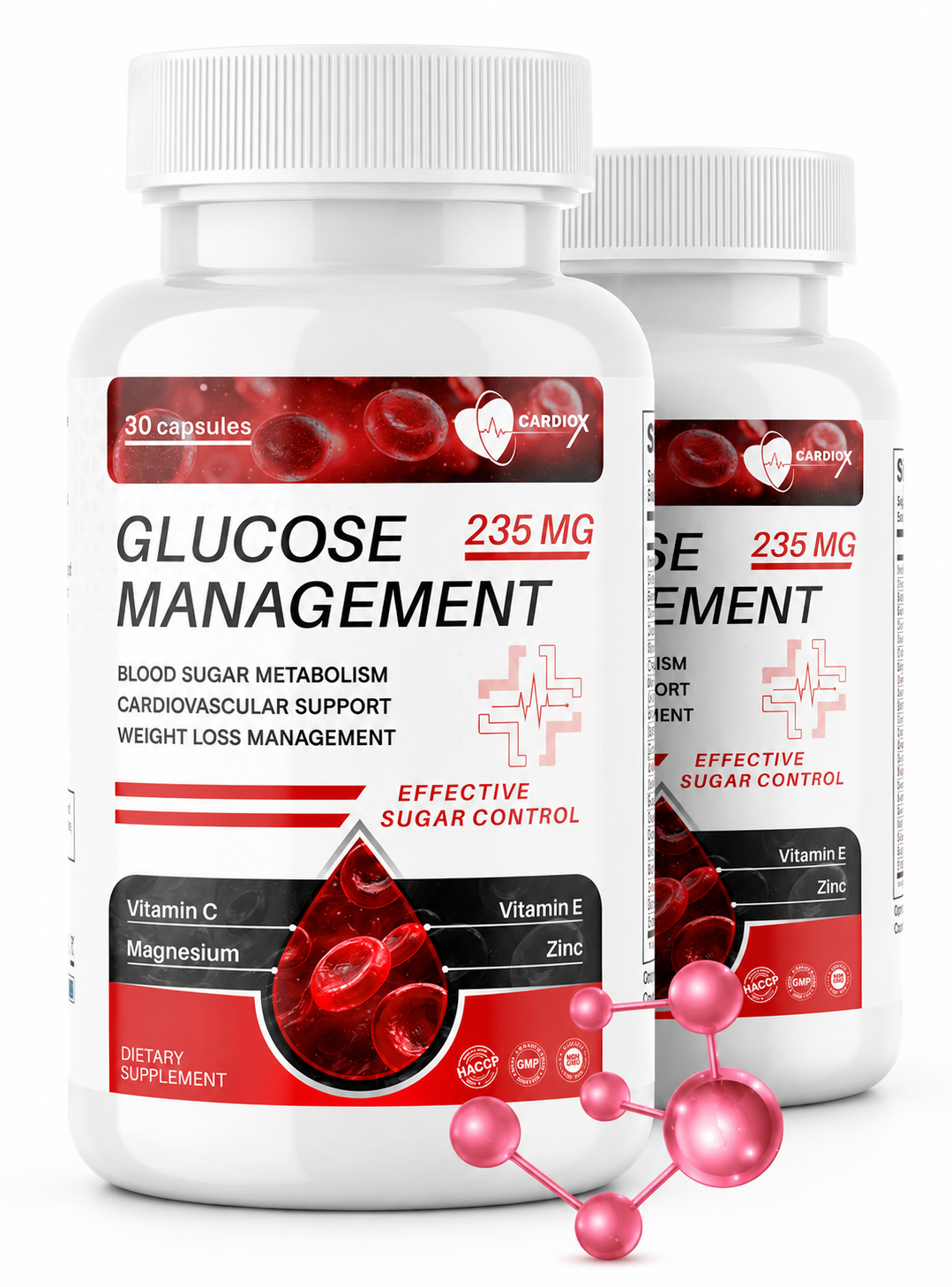
A product with great ingredients at sub-therapeutic doses is not a great product. We flag proprietary blends that hide individual ingredient quantities. We check whether declared doses align with the doses used in clinical studies — for example, berberine's effective clinical dose is 900–1,500 mg/day; a product listing berberine in a 235mg formula without further specification raises legitimate questions about whether clinical dose is achieved. None of the 4 products in this analysis published a Certificate of Analysis (CoA) — a significant collective gap.
This category carries real clinical risk. Berberine + metformin combination can potentiate hypoglycemia. Gymnema Sylvestre can cause abrupt glucose reduction in medicated patients. Cinnamon (Cassia variety) contains coumarin — hepatotoxic at high doses; Ceylon Cinnamon is the clinically safe form. Products are evaluated for whether they disclose these interactions, use safe ingredient forms (Ceylon vs. Cassia), and recommend physician consultation for patients on glucose-lowering medication.
GMP and FDA-registered claims are self-declared by all 4 products in this analysis — none have been verified independently through NSF, USP, or Informed-Sport. We distinguish between "FDA-registered facility" (a manufacturing site registration, not product approval) and "FDA-approved" (which no dietary supplement can legitimately claim). A publicly available third-party CoA is the gold standard — its absence across all 4 products is noted transparently in each individual review.
All 4 products operate in the $49–$69/bottle range — the standard tier for the Digistore24/ClickBank affiliate model. For context, single-ingredient berberine from established brands (Thorne, NOW Foods) costs $20–$35 for equivalent doses. The premium these proprietary formulas charge should be justified by synergistic formula design, verified quality, and genuine transparency — criteria that only CardioX partially meets in this group.
GlucoTrust and Sugar Defender both offer 60-day money-back guarantees — standard for Digistore24 products. GlycoQ Blood has a documented case of a refund being refused despite an immediate request upon receiving a product with label discrepancies — this is flagged as a significant consumer protection concern and directly impacts this product's score. GlycoX site access issues make refund policy unverifiable.
We only count reviews from verifiable platforms (Trustpilot with confirmed purchase indicators, Amazon). Sugar Defender's on-site rating of "4.98/5 from 2,000+ reviews" uses testimonials confirmed to be recycled across multiple unrelated products in the affiliate network — we do not count these. Trustpilot data for all 4 products is either low-volume (<15 reviews) or mixed — insufficient for statistical confidence.
Two of 4 products (GlycoQ, CardioX) have official sites returning 403 errors — a significant consumer experience issue. Distribution occurs through affiliate subdomain networks (discovernutra.com, entrynutrition.com) that vary by geographic market. Sugar Defender and GlucoTrust are fully accessible via their respective Digistore24 checkout flows. Product availability via retail channels (Amazon, pharmacies) is absent for all 4 — a structural characteristic of this affiliate model.
Four distinct user profiles and the product best matched to each.
Ana, 47
Female · Pre-Diabetic Gray Zone
Fasting glucose at 112 mg/dL. Doctor said "keep an eye on it" — no prescription yet. Post-lunch crashes, belly fat accumulating. Fear of "becoming diabetic like mom."
Uses a CGM, practices 16:8 fasting, low-carb diet. Still sees postprandial spikes to 145–155 mg/dL. Wants AMPK activation and α-glucosidase inhibition — not just "blood sugar support."
→ CardioX Glucose — Most complete synergistic stack; Berberine + Gymnema + Ceylon Cinnamon + Mg + Zn matches what clinical literature supports.
Marta, 54
Female · Natural Alternative Seeker
Considered Ozempic but fears side effects. Moderate overweight, borderline glucose, afternoon sugar cravings. Actively searching "natural alternative to Ozempic" — but skeptical of exaggerated claims.
→ CardioX Glucose — Best evidence base. Must read: berberine ≠ Ozempic mechanistically; honest expectations required.
Carlos, 58
Male · Diagnosed T2DM on Metformin
HbA1c at 6.8%, on metformin, wants to add a natural supplement without telling his doctor. Has tried other supplements before with little result.
⚕ Physician consultation required before any product. Berberine + metformin = documented hypoglycemia risk. No recommendation made without medical gate.
Berberine + metformin interaction risk — medical gate required
Science Credibility
Researchers Behind the Science
These scientists published the key studies referenced in our analysis. They are not affiliated with any product reviewed on this page.
Dr. William T. Cefalu, MD
Endocrinology & Metabolism · NIH / NIDDK
Published landmark research on chromium's role in insulin sensitivity and diabetes care. His Diabetes Care study (2004) is the reference standard for chromium evidence in glycemic supplementation.
Nutraceuticals & Phytotherapy · Phytotherapy Research
Author of the Gymnema Sylvestre meta-analysis (10 RCTs, 419 participants) — the primary reference for Gymnema's evidence in the CardioX and GlucoTrust formulas reviewed on this page.
📌 Researcher avatar illustrations are used as visual placeholders. Real institutional profile links are provided above for full verification. All DOI links are publicly indexed via PubMed. These researchers have no commercial relationship with Verified Wellness or any product reviewed on this page.
Frequently Asked Questions
No — but the comparison isn't completely baseless. Both berberine and GLP-1 agonists reduce fasting blood glucose and body weight. However, their mechanisms are distinct: berberine primarily activates AMPK (improving insulin sensitivity and reducing hepatic glucose output), while Ozempic/Wegovy work on incretin hormone receptors. The magnitude of effect is also different — GLP-1 drugs produce significantly greater weight loss in most clinical trials. Think of berberine as a metabolically active botanical with real but more modest effects.
Not without medical supervision. Berberine and metformin can potentiate each other's glucose-lowering effects — which sounds beneficial but can result in hypoglycemia (dangerously low blood sugar), especially in patients already well-controlled. Gymnema Sylvestre carries a similar risk. If you are taking any prescribed diabetes medication, consult your physician before adding any supplement from this category. This is non-negotiable from a safety standpoint.
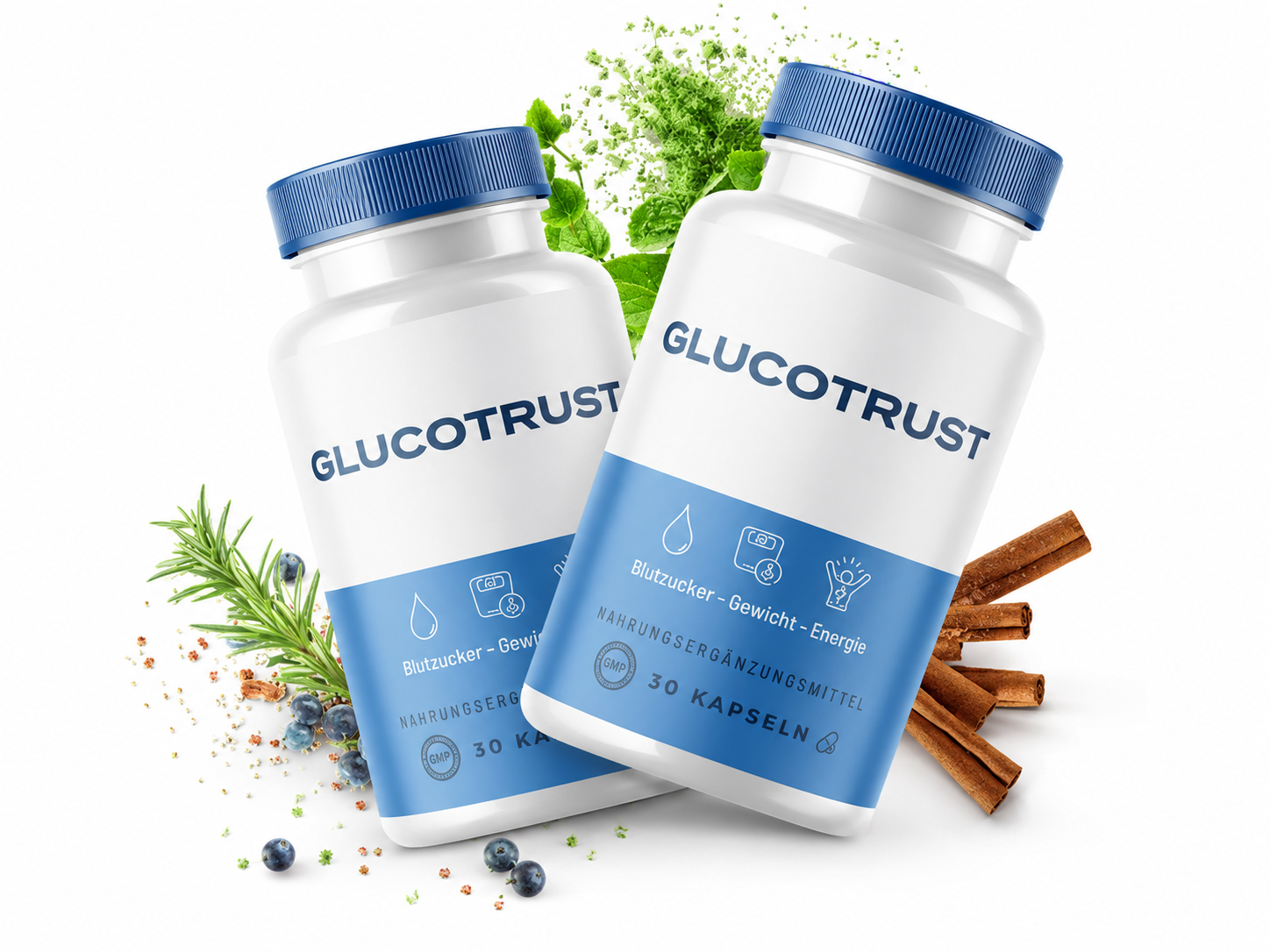
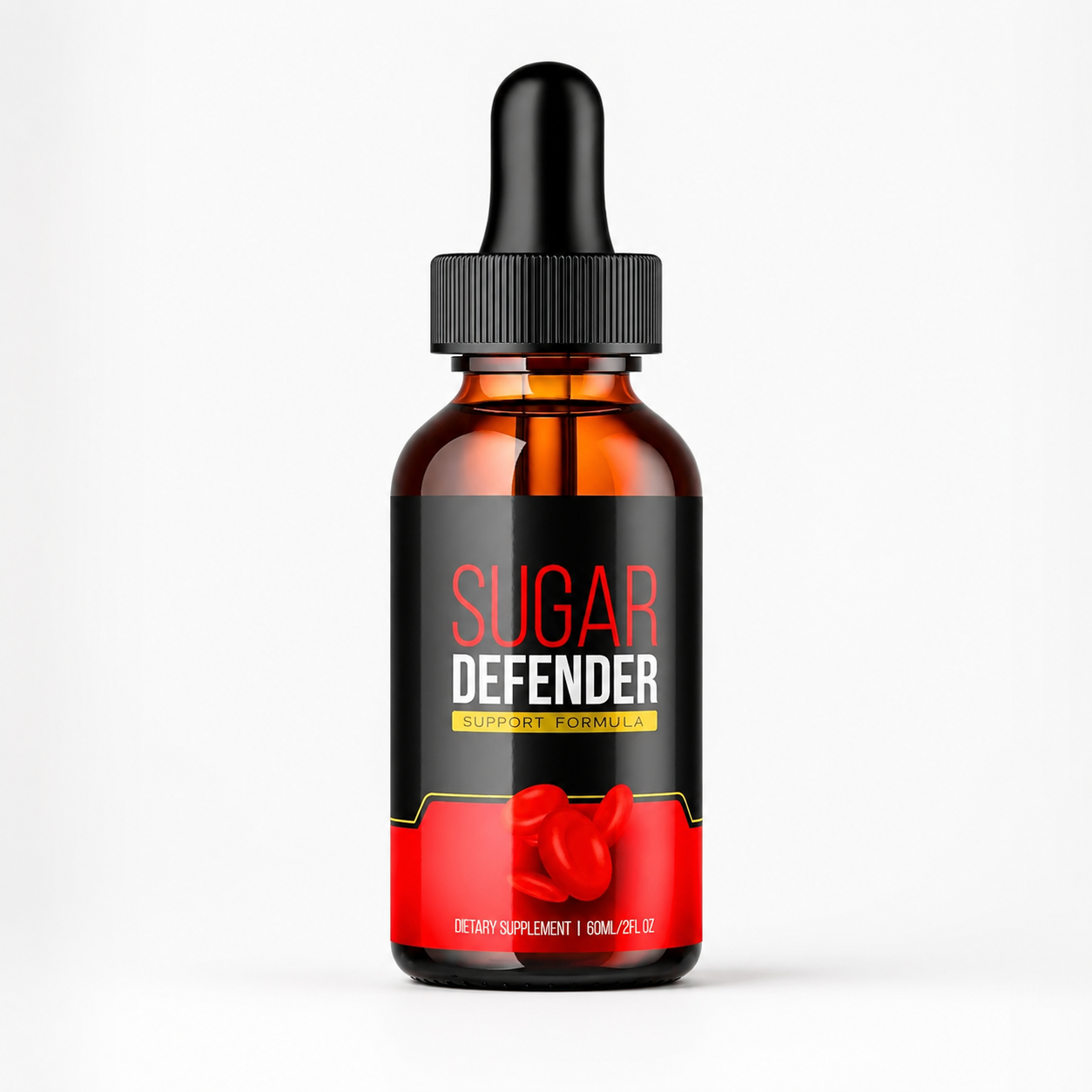
The critical differentiators: CardioX has the most complete evidence-backed stack (Berberine + Gymnema + Ceylon Cinnamon + Mg + Zn) with a dual glycemic-cardiovascular focus. GlucoTrust is the only nighttime formula targeting the sleep→cortisol→insulin resistance pathway. GlycoQ uses berberine as anchor but carries an ingredient-label discrepancy alert. Sugar Defender is the only liquid/drop format but lacks berberine entirely — its formula has the weakest glycemic evidence of the four. Format aside, formula quality follows this same ranking order.
Based on clinical study timelines for the key ingredients: berberine studies show statistically significant changes in FPG and HbA1c at 8–12 weeks of consistent use. Gymnema Sylvestre studies typically run 18–24 weeks for HbA1c changes. Subjective improvements (energy levels, craving reduction) may be reported earlier — often 2–4 weeks — but these should not be confused with objective glycemic improvements measurable by blood test. If you have a glucometer or access to HbA1c testing, test at baseline and again at 12 weeks.
No — unequivocally. No dietary supplement has demonstrated disease reversal or medication replacement in properly controlled clinical trials. The FDA, EFSA, and medical authorities globally are explicit on this. The appropriate role for supplements in this category is adjuvant support: helping reduce progression risk in pre-diabetics, or complementing (not replacing) prescribed treatment — always under physician supervision. Any product claiming otherwise is making a claim that is both scientifically unsupported and potentially dangerous.
There is no published clinical data supporting superior bioavailability for this class of herbal compounds via sublingual delivery versus oral capsule ingestion with food. The claim is commercially appealing but scientifically unsubstantiated for the specific ingredient combination in Sugar Defender. Additionally, Sugar Defender's formula is the weakest in this group from a glycemic evidence standpoint — it lacks berberine, which is the anchor ingredient with the most robust human clinical data in this entire category.
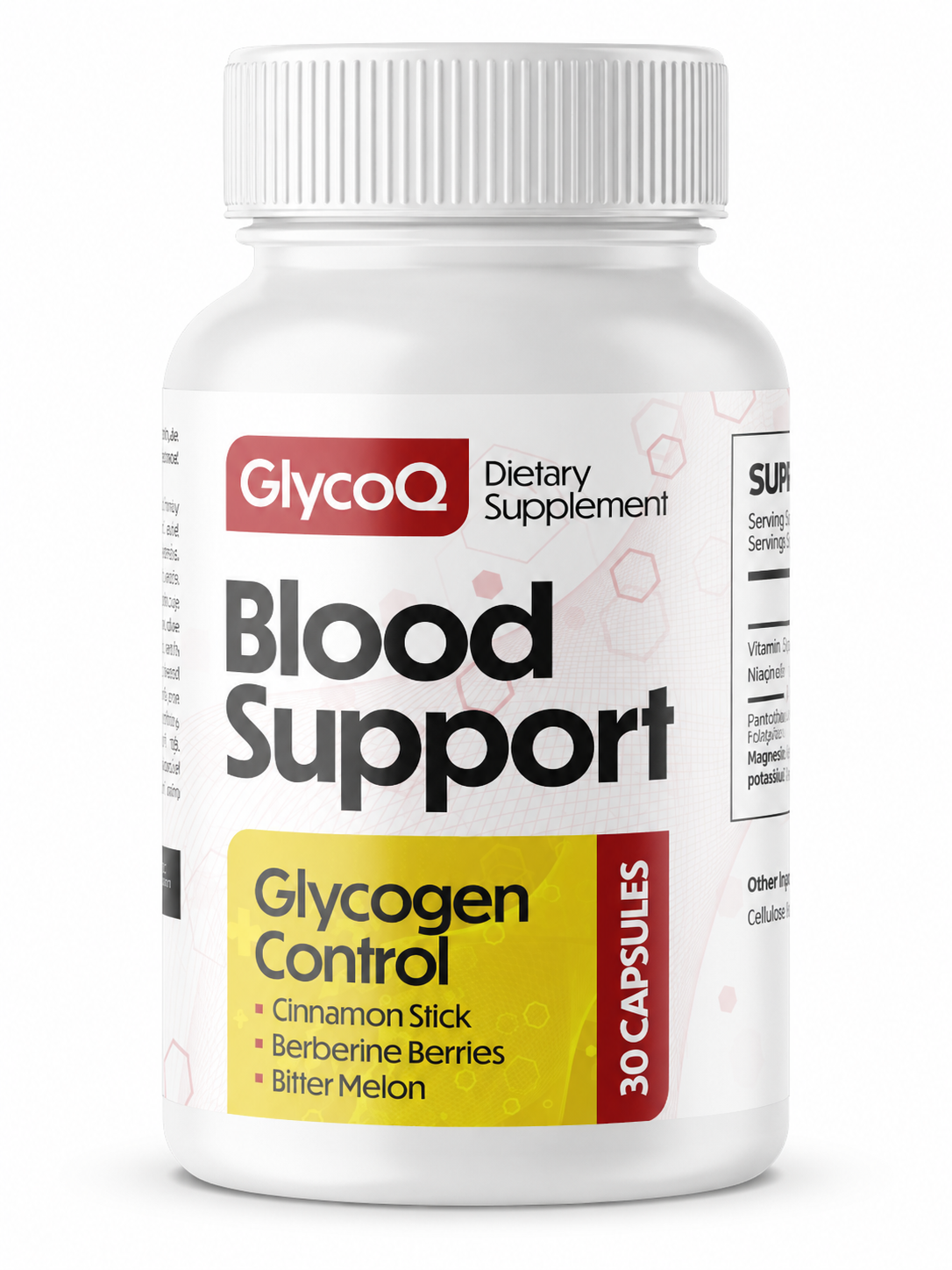
GlycoQ's formula — berberine, white mulberry leaf, and cinnamon — is scientifically sound. The rating reduction is driven by two factors: (1) a documented Trustpilot review reporting that the ingredients on the received physical product label did not match the ingredients advertised on the website, which is a serious transparency and safety concern; (2) the company refused to issue a refund when this was reported. The official site is also currently inaccessible (returning a 403 error). Scientific formula quality alone cannot offset these consumer protection issues.
Several lifestyle and dietary strategies have evidence comparable to or exceeding individual supplements. A 10–15 minute walk after meals reduces postprandial glucose spikes by approximately 30% (DiPietro et al., 2013, Diabetes Care). Eating protein and vegetables before carbohydrates in the same meal reduces peak glucose response significantly (Shukla et al., 2017, BMJ Open Diabetes). Ceylon cinnamon (1–2 tsp/day in food) and apple cider vinegar (1–2 tbsp before meals) both have small but positive evidence bases. These approaches work synergistically with any supplementation — and for mild pre-diabetic profiles, may be sufficient on their own.
Natural (Non-Supplement) Alternatives
These lifestyle and dietary strategies have independent clinical evidence — and work best when combined with supplementation.
🚶
Post-Meal Walk
10–15 min after meals reduces glucose spike ~30% (DiPietro et al., 2013)
🍽️
Food Order
Protein + veg before carbs significantly lowers peak glucose (Shukla et al., 2017)
🌿
Ceylon Cinnamon
1–2 tsp/day in food; safe form (no coumarin); modest FPG reduction
🍵
Apple Cider Vinegar
1–2 tbsp before meals; improves postprandial glucose response in small studies
🫘
Legumes & Fiber
Soluble fiber slows glucose absorption; low glycemic index staple foods