Quick Comparison: All Products
Side-by-side overview of all analyzed gut health products. Click any product to read the full review.
| # | Product | Type | CFU / Dose | Price | Rating | Best For | Review |
|---|---|---|---|---|---|---|---|
| 1 |
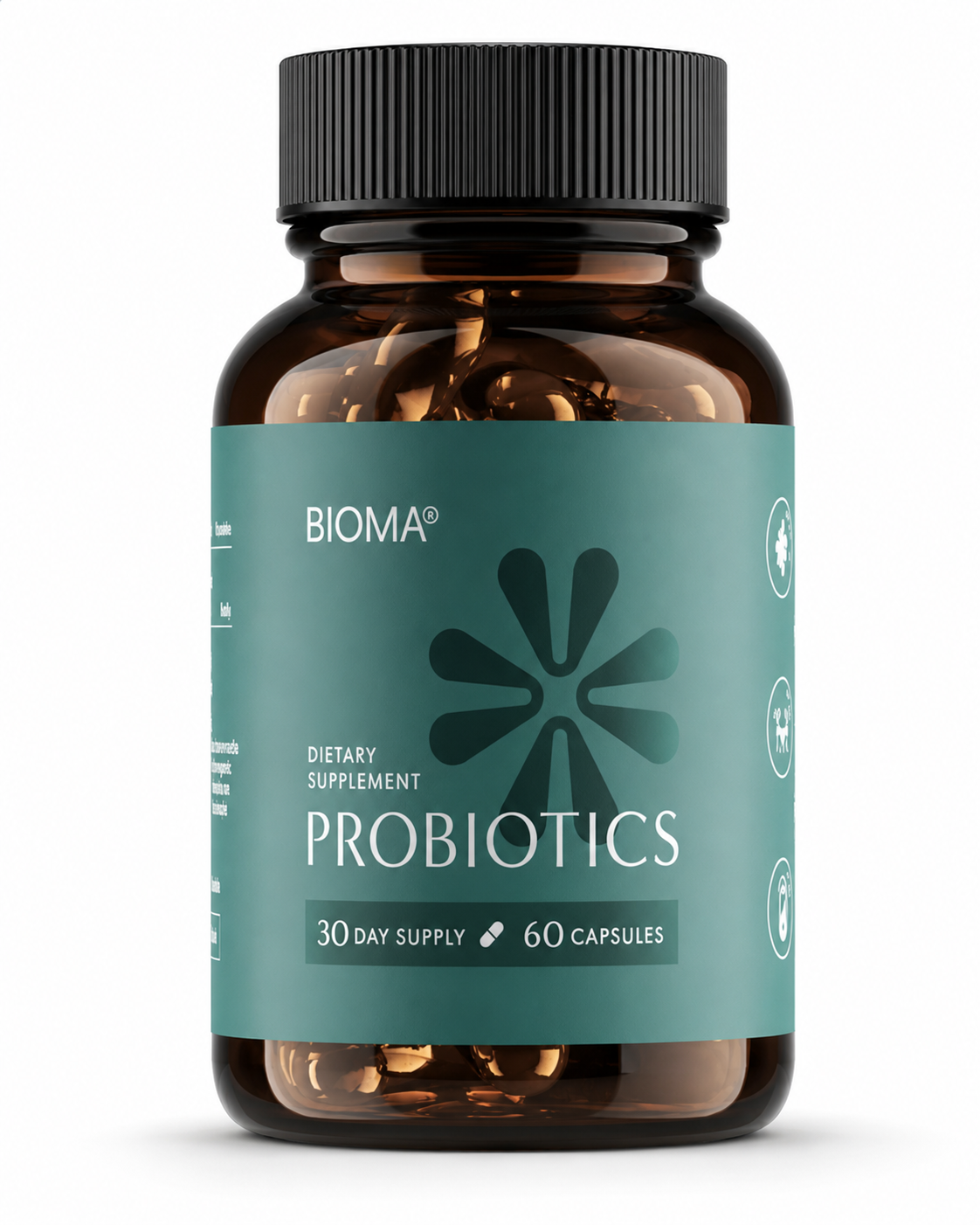
Bioma Probiotics
Pre + Pro + Postbiotic
|
Synbiotic 3-in-1 | 9 Billion CFU | From $29.97/unit | ★★★★★ 4.7 | Overall / Weight | Full Review |
| 2 |
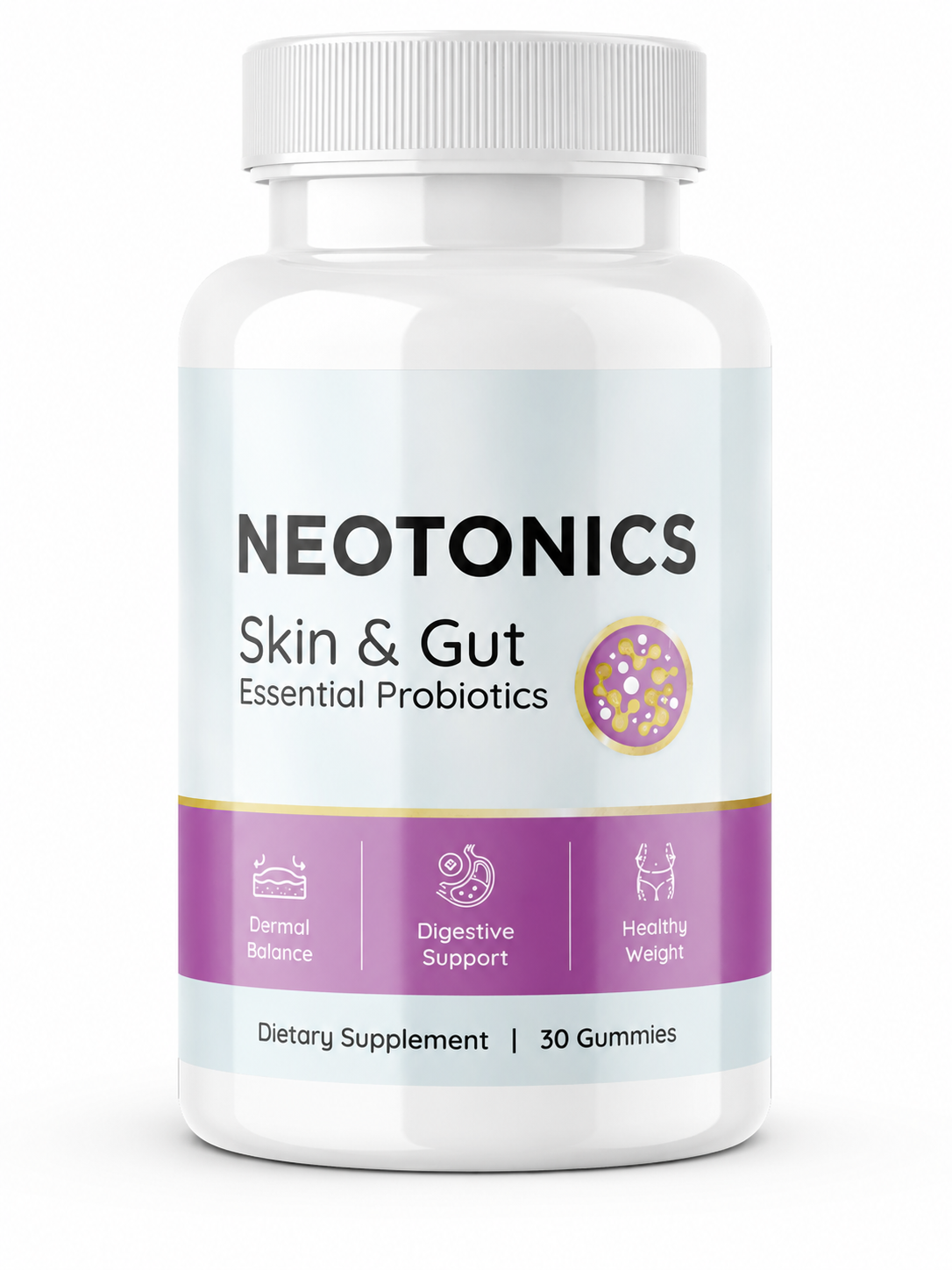
Neotonics
Gut-Skin Probiotic
|
Gut-Skin Formula | 500M CFU | From $49/bottle | ★★★★½ 4.5 | Skin + Gut | Full Review |
| 3 |
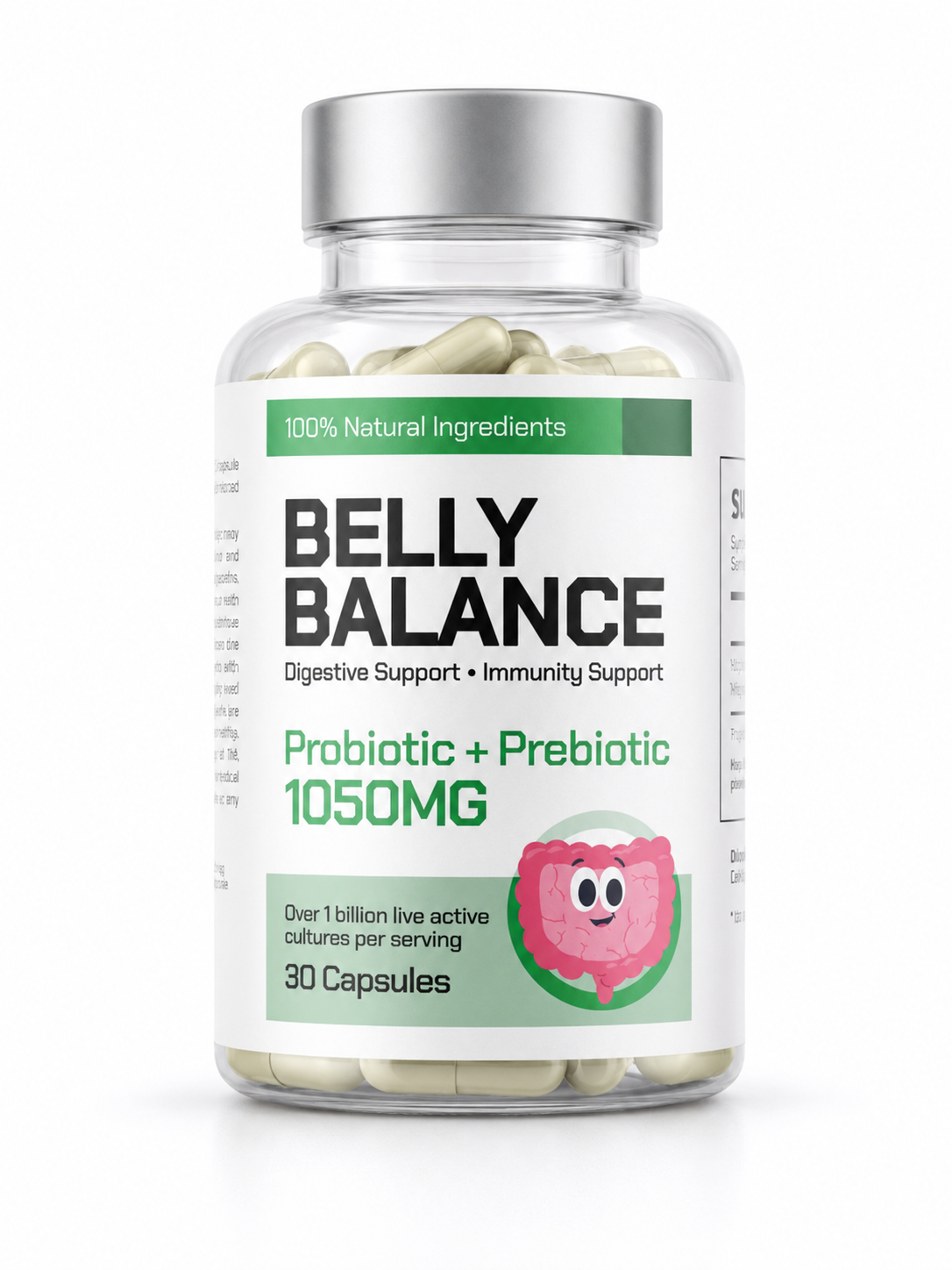
Belly Balance
Classic Synbiotic
|
Probiotic + Prebiotic | 1B+ CFU | From AUD $67.95/unit | ★★★★ 4.3 | Value / Entry | Full Review |
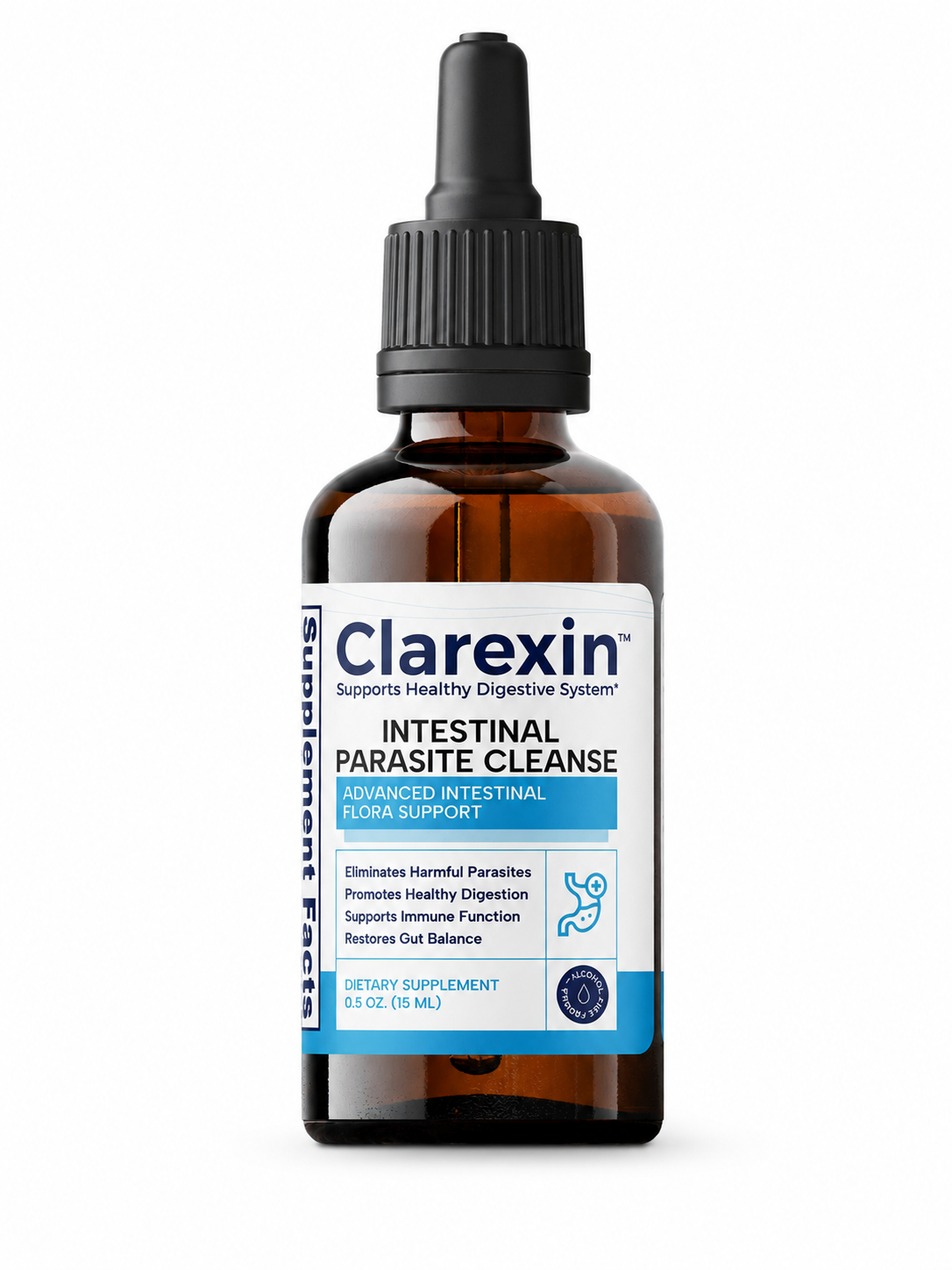
Clarexin Intestinal
Herbal Cleanse — See Advisory
|
Herbal Cleanse | N/A (drops) | $29.97/unit | ★★ 1.7 | See Advisory | See Advisory |
Our Top 3 Picks
Selected after analyzing ingredients, clinical evidence, company transparency, and verified external reviews. Use the filters above to see picks for your specific goal.
Bioma Probiotics
- XOS prebiotics — next-gen fiber superior to FOS & inulin for Bifidobacterium (PMC8748261)
- Tributyrin (CoreBiome®) — patented postbiotic precursor to butyrate, strengthens gut barrier
- 9B CFU from 3 clinically validated Bifidobacterium strains
- Freeze-dried, delayed-release vegan capsule — no refrigeration required
- Fully traceable company — Bioma Health, UAB (Lithuania, €34.5M revenue 2024)
Editorial Note — Subscription Policy
Bioma operates on a subscription model. The product recommends 3+ months of use for full assessment — verify return terms before purchasing and ensure subscription preferences are set at checkout.
Neotonics
- Targets the gut-skin axis — scientifically validated connection (Vaughn et al., 2017; PMID 29104709)
- Bacillus Coagulans 500M CFU — spore-forming, heat-stable, superior gut survival rate
- 9 synergistic ingredients: Lion's Mane, Slippery Elm, Ginger, Fennel, Inulin, Dandelion and more
- No subscription required — no hidden recurring charges
- 60-day money-back guarantee (includes used bottles)
Belly Balance
- L. Acidophilus — reduces bloating with ~65% response rate in IBS (Ringel-Kulka et al., 2011)
- 1,050mg per serving — Probiotic + Prebiotic (Inulin) synbiotic formula
- Delayed-release capsule technology — improves probiotic survival to the gut
- Accessible entry point for first-time probiotic users
Understanding Your Gut Microbiome
Your gut is home to approximately 38 trillion microorganisms — a vast ecosystem that science now recognizes as a key regulator of overall health. When this microbiome is out of balance (a state called dysbiosis), the effects extend far beyond digestion: they show up in skin health, mental clarity, immune resilience, and metabolic function.
The microbiome operates through three interconnected axes: the gut-brain axis (mood, cognition, stress response), the gut-skin axis (inflammation, acne, accelerated aging), and the gut-immune axis (immunity training, autoimmunity prevention).
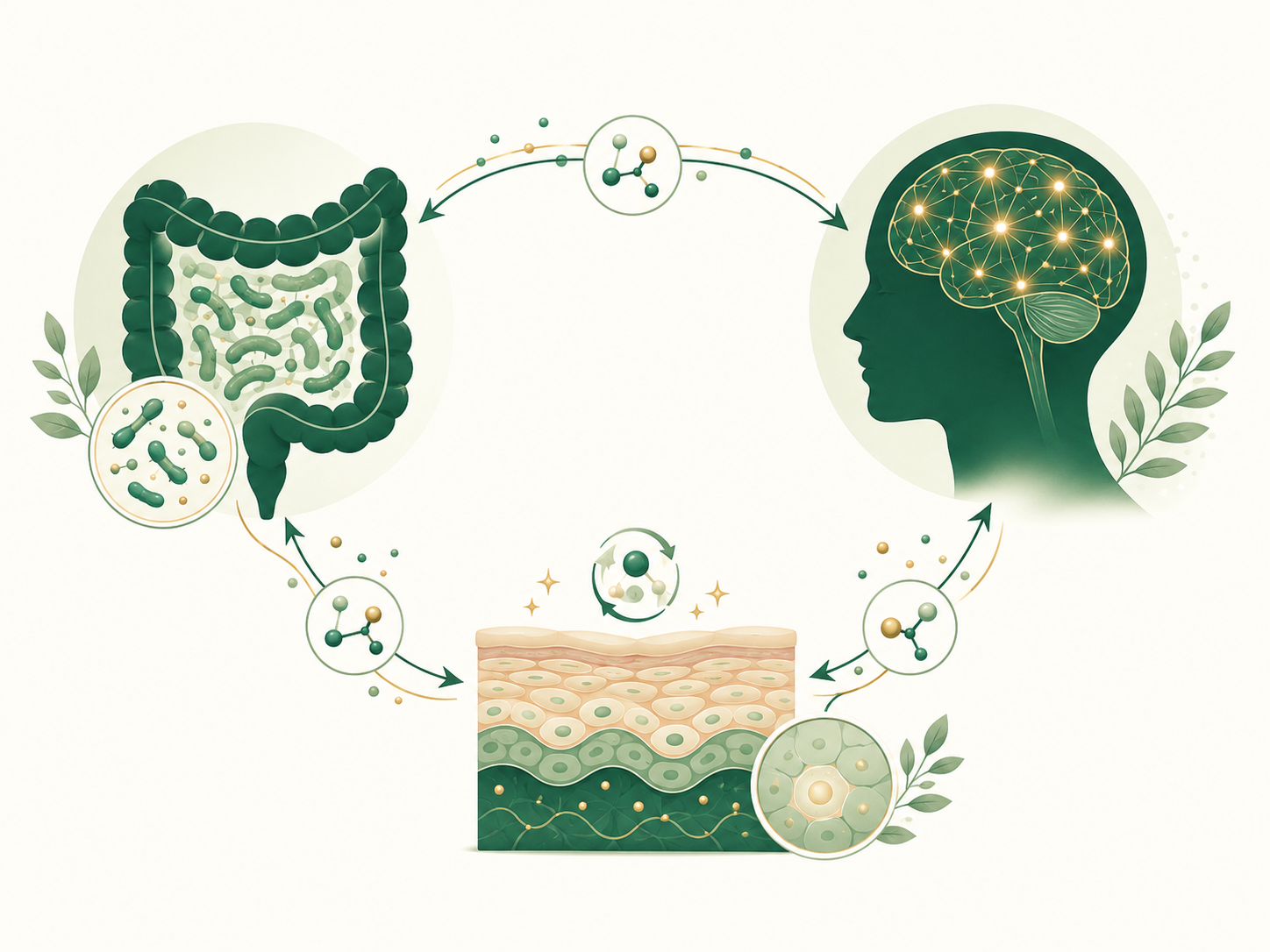
The Gut-Brain-Skin Axis — three interconnected systems regulated by the microbiome (Vaughn et al., 2017 · PMID: 29104709)
The 3 Generations of Gut Supplements
Live beneficial bacteria delivered to the gut. Most effective with delayed-release capsule technology — up to 96% of standard capsule probiotics don't survive stomach acid (Sanders et al., 2019).
Fibers that selectively feed beneficial bacteria. XOS (Xylooligosaccharides) is the new-generation prebiotic shown to outperform FOS and inulin for Bifidobacterium growth in clinical studies (PMC8748261, 2022).
Metabolites produced by bacteria — particularly butyrate (via Tributyrin/CoreBiome®) — that directly strengthen the intestinal barrier and reduce systemic inflammation (Frontiers in Nutrition, 2025).
Myths vs. Reality
"All probiotics are the same — just pick the highest CFU count."
Strain specificity matters more than raw CFU count. B. lactis HN019 improves transit time; L. acidophilus NCFM reduces bloating — these are different strains with different clinical outcomes.
"Probiotics show results in a few days."
Meaningful microbiome modulation typically takes 4–8 weeks. Initial digestive improvements may appear in 2–3 weeks, but systemic effects on skin or mood take longer.
How We Evaluate Products
Every product is assessed across 8 criteria using a methodology grounded in peer-reviewed science — not marketing claims.
We verify each ingredient against PubMed-indexed clinical trials (RCTs preferred). Strains must be identified to the subspecies level (e.g., L. acidophilus NCFM). A product scores higher when its exact strains — not just species — have published clinical evidence for the claimed benefit.
Note: researchers referenced throughout this page are cited as authors of relevant independent scientific literature. They have no direct advisory or endorsement relationship with Verified Wellness or any product listed here.
CFU count matters, but more is not always better. We evaluate whether the CFU count is clinically relevant for the claimed benefit and whether strains are complementary or redundant. We also verify whether CFU counts are guaranteed at expiry, not just at manufacturing — a common industry misrepresentation.
Up to 96% of probiotics in standard capsules are destroyed by stomach acid before reaching the intestine (Sanders et al., 2019 — DOI: 10.1038/s41575-019-0173-3). Delayed-release or enteric-coated capsules, freeze-drying, and microencapsulation significantly improve viability. Gummies inherently score lower on delivery technology.
We verify: (1) legal company name and registration, (2) physical address, (3) identifiable leadership with verifiable credentials, (4) audited financials where available. Among the products analyzed, Bioma Probiotics (Bioma Health, UAB — Company code 306630090, Lithuania) is the only fully verifiable entity with audited revenue and identified CEO.
We assess contraindications, adverse events reported in clinical literature, and suitability for immunocompromised individuals. Probiotics with GRAS (Generally Recognized as Safe) designation by the FDA score highest. Herbal ingredients with known toxicity concerns are flagged with mandatory editorial notes.
Given that gut health supplements typically require 4–8 weeks to show meaningful results, a return window of less than 30 days is insufficient for proper evaluation. Neotonics (60 days, accepts used bottles) scores highest in this category. Always verify return terms directly on the product's official site before purchasing.
We compare price per daily dose against formula complexity, strain specificity, and delivery technology. Value tiers are assessed within comparable formula complexity brackets — a synbiotic 3-in-1 with postbiotic is not directly compared to a single-strain entry-level product.
Third-party testing by NSF, USP, or Informed Sport significantly increases a product's credibility. None of the four products in this analysis carry NSF or USP certification — a gap consumers should factor into purchasing decisions. GMP compliance (claimed by most) is noted but not weighted equivalently to third-party verification.
Which Product Is Right for You?
The profiles below represent buyer types identified by the Verified Wellness editorial team — not individual users. They describe the kinds of people each product is best suited for, based on symptom profile and mechanism of action.
| Profile Type | Primary Concern | Best Pick | Alternative | Why This Pick |
|---|---|---|---|---|
|
Skin-conscious, 28–38
Active, occasional bloating + skin concerns
|
Gut-skin connection — acne, inflammation, skin renewal | Neotonics | Belly Balance | Gut-skin axis formula, 60-day guarantee, no subscription risk |
|
Performance-focused, 35–45
Brain fog, slow recovery, digestive irregularity
|
Microbiome optimization — cognition, energy, transit | Bioma | — | XOS + Tributyrin + 3 Bifidobacterium strains satisfy technical demand |
|
Hormonal transition, 45–55
Constipation, low immunity, weight management
|
Transit regularity + immune support + metabolic balance | Bioma | Belly Balance | B. lactis (transit) + immune modulation + metabolic axis — verify subscription terms |
|
Post-antibiotic, 50+
Microbiome restoration, slow digestion, accessibility
|
Microbiome restoration + safety profile + affordable entry | Belly Balance | — | L. acidophilus with extensive safety record + delayed-release + lower cost |
Frequently Asked Questions
Common questions about gut health supplements answered with clinical context.
The short answer: yes — for specific, well-defined outcomes. The Cochrane review on probiotics for IBS (Ford et al., 2018) found probiotics significantly outperformed placebo for overall IBS symptom relief. Ringel-Kulka et al. (2011) showed L. acidophilus NCFM reduced bloating vs. placebo with a ~65% response rate.
Effect size varies significantly by strain, condition, and individual microbiome baseline. Probiotics are most effective when matched to the right symptom profile and used consistently over 4–8 weeks.
Probiotics are live beneficial bacteria that, when taken in adequate amounts, confer a health benefit. Prebiotics are specific fibers (e.g., Inulin, XOS) that selectively feed beneficial bacteria already in the gut. Postbiotics are bioactive metabolites produced by bacteria — primarily short-chain fatty acids like butyrate — that act on the gut barrier and immune system directly. A synbiotic combines all three.
Tributyrin (CoreBiome®), used in Bioma, is a postbiotic precursor to butyrate — formally defined as a postbiotic by the ISAPP in 2021 (DOI: 10.1038/s41575-021-00440-6).
No — more CFUs is not always better. Clinical outcomes depend on the strain, the condition, and the delivery technology — not raw numbers. Neotonics delivers only 500M CFU of Bacillus Coagulans — but B. Coagulans is spore-forming with near-complete survival to the gut, which can be more effective than 10B CFU of a fragile Lactobacillus strain in a standard capsule. Focus on strain identity and delivery technology first.
Digestive improvements (reduced bloating, improved regularity) are typically the first effects — many notice these within 2–3 weeks. Immune system effects may take 4–6 weeks. Skin improvements via the gut-skin axis typically require 6–10 weeks of consistent use. Any product claiming visible results within a few days should be viewed with skepticism.
Yes — this is the area with the strongest evidence. L. acidophilus NCFM specifically demonstrated significant bloating reduction in IBS patients vs. placebo (Ringel-Kulka et al., 2011; DOI: 10.1097/MCG.0b013e31820ca4d9). B. lactis HN019 improved whole gut transit time and reduced constipation (Waller et al., 2011; DOI: 10.3109/00365521.2011.584895). Results are most consistent when the probiotic strain matches the primary symptom.
The gut-skin axis is a scientifically validated concept (Vaughn et al., 2017 — PMID: 29104709). Dysbiosis promotes systemic inflammation via increased intestinal permeability, and that inflammation can manifest in the skin as acne, eczema, and accelerated aging. The evidence for probiotics improving specific inflammatory skin conditions is growing, though results are most consistent for eczema. Realistic expectation for skin improvements: 8–12 weeks of consistent use.
Generally yes, with timing management. Take probiotics at least 2 hours apart from antibiotic doses to avoid the antibiotic eliminating probiotic bacteria before they act. Individuals who are severely immunocompromised should consult a physician before taking live probiotic bacteria. Herbal formulas like Clarexin contain Wormwood (thujone content) which is contraindicated in pregnancy and with certain medications — consult a healthcare professional.
Key Studies & Research
Peer-reviewed studies on the active ingredients found in products on this page. Researchers cited are referenced as authors of independent scientific literature — they have no affiliation with Verified Wellness or any product listed here.
Tributyrin (CoreBiome®) enhances butyrate levels and modulates gut barrier function
Effects of Xylo-Oligosaccharide on Gut Microbiota in Ulcerative Colitis Remission
Probiotic bacteria for the symptoms of bloating in functional bowel disorders
Dose-response effect of B. lactis HN019 on gut transit time and GI symptoms
Skin-gut microbiome connections: bidirectional communication
Probiotics and prebiotics in intestinal health and disease
Researchers referenced above are cited as authors of independent peer-reviewed literature. They have no direct advisory, consulting, or endorsement relationship with Verified Wellness or any of the products analyzed on this page. Citations are provided for reference and transparency only.
Natural Food Sources
Supplements can accelerate results — but dietary sources of prebiotics and probiotics remain the gut's daily foundation. These foods are always worth prioritizing first.
Plain yogurt, kefir, kimchi, sauerkraut, miso, tempeh, kombucha — fermented foods that seed beneficial bacteria naturally.
Garlic, onion, leeks, asparagus, green banana, oats, barley, chicory root — these feed Bifidobacterium and support butyrate production.
Grass-fed butter (direct butyrate), legumes, lentils, whole grains — dietary precursors to the same short-chain fatty acids found in postbiotic supplements.
All 4 Products Analyzed
Complete editorial overview ranked by our 8-criteria scoring system.
Bioma Probiotics
- Tributyrin (CoreBiome®) — patented butyrate precursor, strengthens gut barrier
- XOS next-gen prebiotic — superior to FOS/Inulin for Bifidobacterium growth
- 9B CFU · 3 Bifidobacterium strains · delayed-release freeze-dried capsule
- Most transparent company in category — verified entity, audited financials
Neotonics
- Gut-skin axis formula — backed by Vaughn et al. 2017 (PMID: 29104709)
- Bacillus Coagulans 500M CFU — spore-forming, near-complete gut survival
- 9-ingredient blend including Lion's Mane, Slippery Elm, Ginger and more
- 60-day money-back guarantee — includes opened bottles
Belly Balance
- L. Acidophilus — ~65% response rate for IBS bloating (Ringel-Kulka, 2011)
- 1,050mg per serving — Probiotic + Inulin prebiotic synbiotic formula
- Delayed-release capsule technology — improves survival to the intestine
- Accessible entry point — ideal for first-time probiotic users
Clarexin Intestinal
- Ingredients: Black Walnut, Wormwood, Clove, Ginger, Garlic, Cinnamon, Papain
- No RCTs for antiparasitic efficacy in humans identified
- Wormwood: thujone content — contraindicated in pregnancy
- Company not publicly identifiable — no legal entity on record